
Remove Stubborn Red Stains From Concrete and Brick
Red clay stain and rust removal for properties across Shreveport
Red clay stains appear on driveways, sidewalks, and home exteriors during construction or after heavy rain when clay-rich soil splashes onto hard surfaces. In Shreveport, the soil contains high levels of iron oxide, which bonds tightly to concrete and brick and creates rust-colored streaks that do not wash away with a garden hose. These stains darken over time and make new construction homes look unfinished or poorly maintained. Shine's Soft Wash and Pressure Washing LLC applies targeted cleaning methods that break down the iron and clay particles without damaging the underlying material.
This service addresses red clay staining and rust discoloration on concrete driveways, walkways, patios, and brick siding or foundations. It involves applying a cleaning solution that chemically reacts with the iron oxide, loosening its grip on the surface, followed by controlled pressure washing to rinse away the dissolved material. The result is a clean surface that matches the original color of the concrete or brick.
If you see rust-colored stains spreading across your driveway or home exterior in Shreveport, contact us to discuss removal options before the stains set deeper.
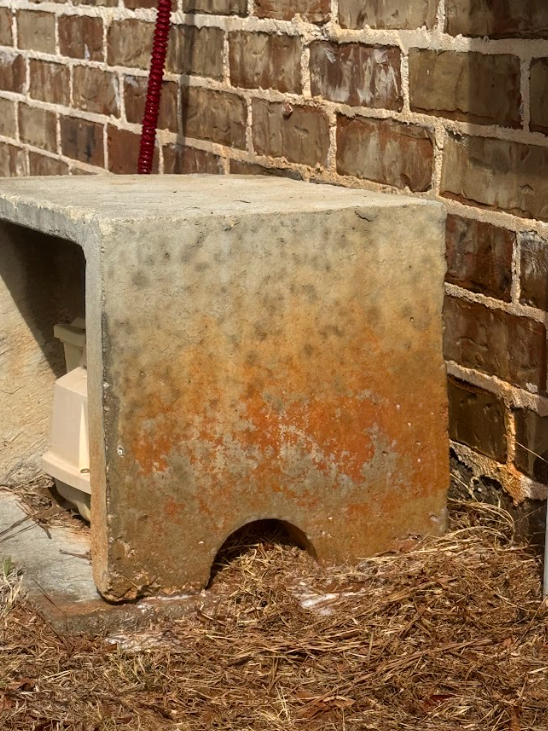
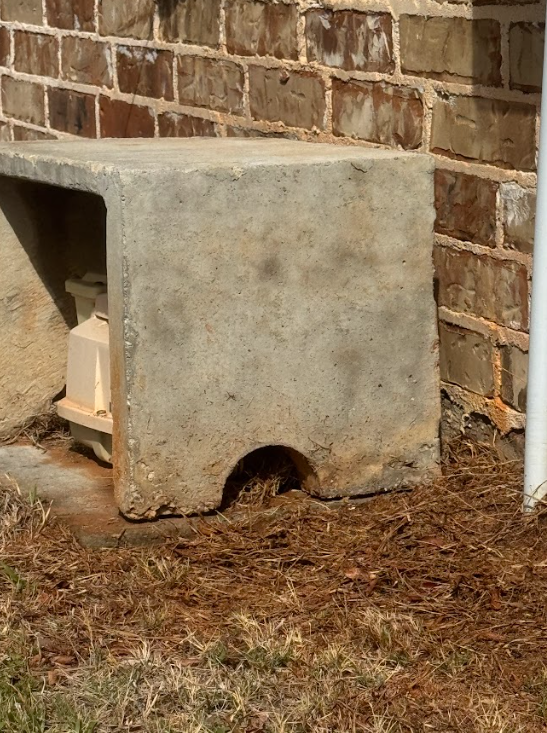
Why These Stains Resist Normal Cleaning
Red clay contains fine particles that penetrate the porous surface of concrete and brick, and the iron content oxidizes when exposed to water and air. Standard pressure washing pushes water across the surface but does not dissolve the chemical bond between the iron oxide and the substrate. In Shreveport, this problem is especially common on new construction sites where grading and landscaping churn up clay-heavy soil that splashes onto freshly poured concrete or new brickwork.
After treatment, the surface appears uniform in color, and the rust streaks are gone. Shine's Soft Wash and Pressure Washing LLC uses cleaning agents formulated to target iron-based stains without etching or pitting the concrete or weakening the mortar between bricks. The process does not bleach the surface or leave behind residue that attracts dirt later.
The service works on horizontal surfaces such as driveways and sidewalks as well as vertical surfaces such as exterior walls and foundation brick. It does not repair cracks, seal concrete, or repoint mortar. If the stain has been present for several years, multiple treatments may be necessary to lift all the discoloration from deep within the pores of the material.
You Probably Want to Know the Details
Property owners often ask about timing, effectiveness, and whether the stains will return. These questions come up frequently when dealing with red clay and rust issues.
What causes red clay stains to form on concrete and brick?
Clay particles mixed with water splash onto surfaces during construction, grading, or storms. The iron in the clay oxidizes and bonds to the porous material, creating rust-colored stains that harden over time.
How do you remove the stains without damaging the surface?
A specialized cleaning solution breaks the bond between the iron oxide and the substrate, then controlled pressure washing rinses away the loosened material. The pressure is adjusted to avoid etching concrete or eroding mortar.
Will the stains come back after cleaning?
If the source of the clay runoff is addressed, the stains should not return. Ongoing exposure to clay-laden water will cause new stains to form unless drainage or grading issues are corrected.
Can you remove rust stains from painted brick?
Rust stains on painted surfaces require gentle treatment to avoid removing the paint. Success depends on the type of paint and how deeply the stain has penetrated.
How long does the treatment take to work?
Most residential driveways or home exteriors are treated and rinsed within two to four hours. The surface is safe to walk on as soon as it dries, usually within a few hours in Shreveport.
Red clay and rust stains make your property look neglected even when everything else is well maintained. Addressing these stains early prevents them from setting deeper into the material and becoming more difficult to remove later.